Massage for cancer
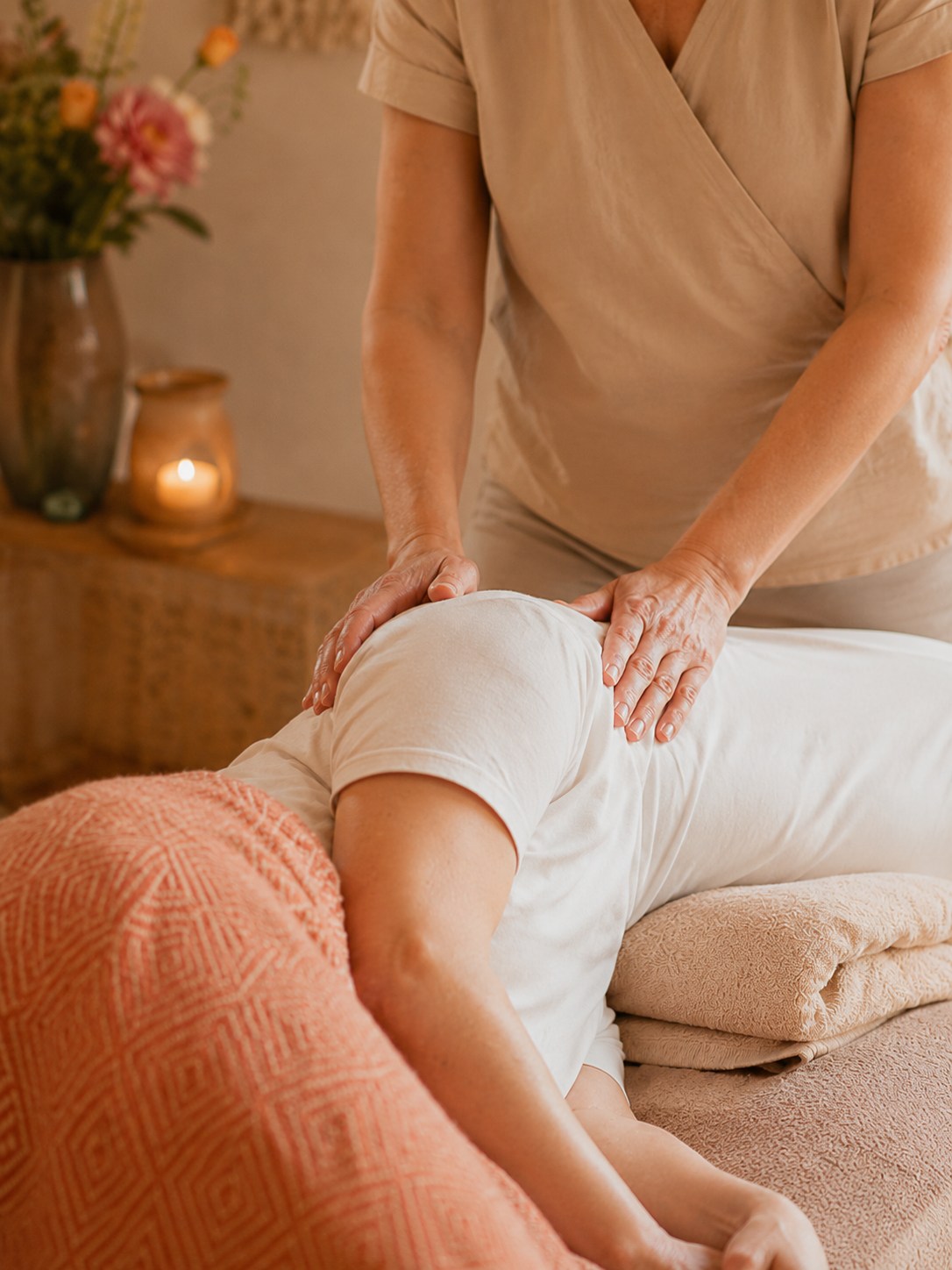
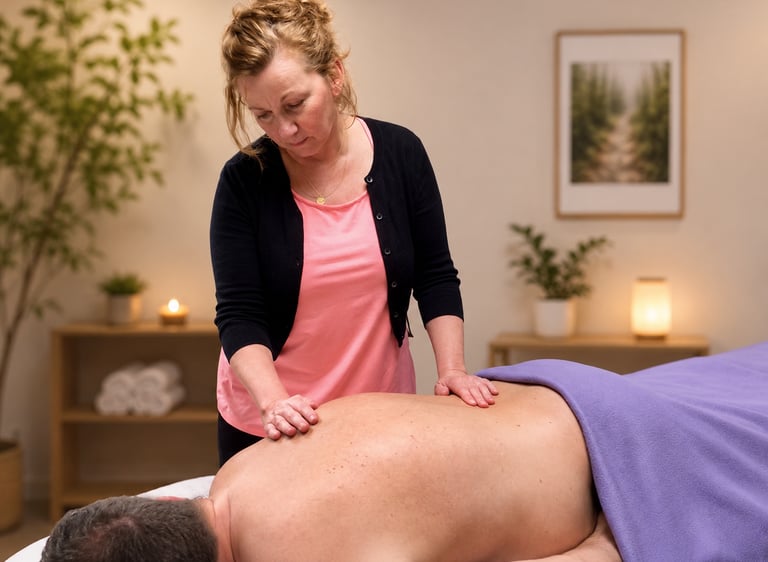
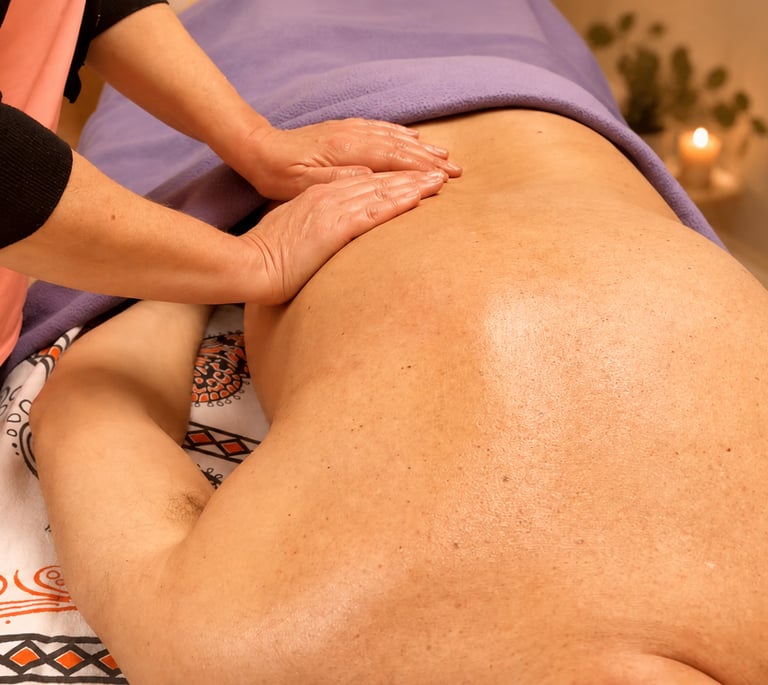
This form of massage is specially tailored to people who have or have had cancer. According to the Society for Oncology Massage, massage for cancer is an adaptation of existing massage therapy techniques, allowing the massage to be given safely and responsibly.
What happens to your body when you have cancer?
A cancer diagnosis often has a major impact. Suddenly, you become a patient and face changes in your life, both emotionally and physically. Treatments such as chemotherapy, radiotherapy and hormone therapy can cause many side effects. Your body is working hard, and this takes strength and energy.
What can massage for cancer do for you?
Massage for cancer is focused on relaxing the nervous system. It does not treat symptoms; the emphasis is on support, calmness and recovery. During and after the treatment, substances such as endorphins, dopamine, serotonin and oxytocin are released. These are also known as happiness hormones.
Through massage, you may experience more relaxation, feel less stress and become more connected with your body. Massage may also contribute to better sleep and greater comfort.
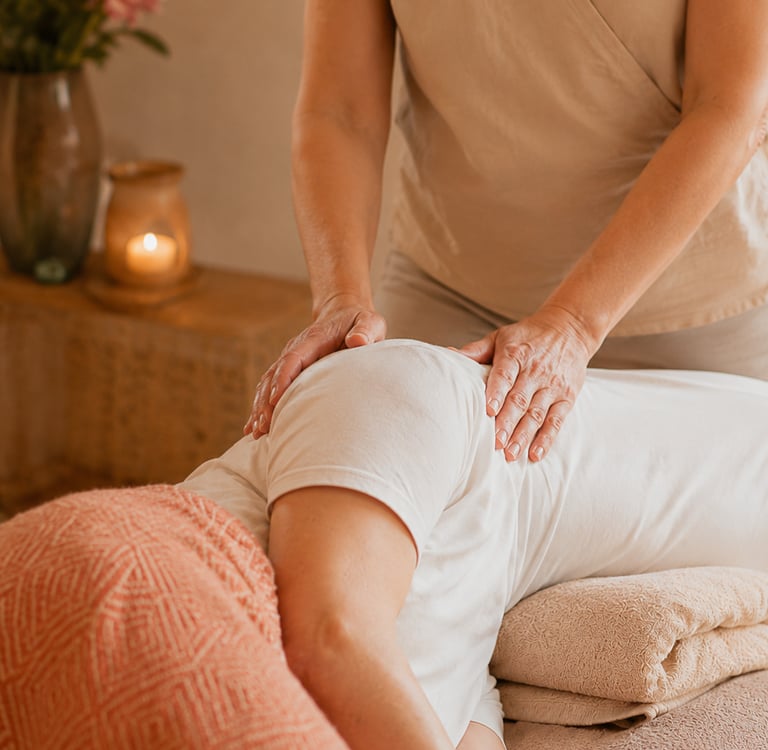
The massage is given calmly and gently, with caring attention and without deep pressure. The treatment can be adapted to your situation and to the phase you are in: during treatment, after treatment, or when the illness can no longer be cured.
Before the first consultation, I will ask you to complete an intake form, so I can carefully tailor the massage to what your body can handle.




Reviews
“Just before my final round of chemotherapy, I came into contact with Yvonne through mutual contacts. I had also just found out that I carry the BRCA1 gene, with the advice to have both breasts removed. Although I had quickly accepted that this would be the best decision for me, I was still left with many questions and doubts. I have been living in Dubai for a long time and did not receive much clarity from my doctors. I also read conflicting opinions about certain questions I had regarding the surgery and possible reconstruction.
I found it very special how Yvonne made herself available to answer my questions. Because of the distance, the time difference and everything that was going on at the time, it was easiest to do this by email, even though she mentioned several times that she was afraid she might come across as too businesslike. On the contrary; during what was, for me, the most difficult time of the entire ‘journey’, when the uncertainty and doubts felt heavier than, for example, the chemotherapy treatments, she managed to answer my questions and doubts with Dutch down-to-earthness, while also showing great feeling, compassion and patience. This not only helped me make the right decision for myself, but also helped me give a place to the many emotions involved.
The tips and advice Yvonne gave me often came from her experience and research. She also sometimes shared the feelings that came with it, which gave me a sense of ‘she understands me’, while also helping me understand that everyone can experience things differently.”
Kirsten Langeveld
Yvonne Uphoff Massage Therapy
© 2026 Yvonne Uphoff | Den Haag